Getting a self-drive van rental for waste removal is an efficient and cost-effective way to dispose of unwanted materials, whether you’re clearing out a home, managing a construction site, or handling business waste.
By choosing the right van and following the proper disposal regulations, you can ensure that your waste is managed responsibly and in compliance with local laws. This guide will walk you through everything you need to know about waste removal and recycling when using a self-drive van rental.
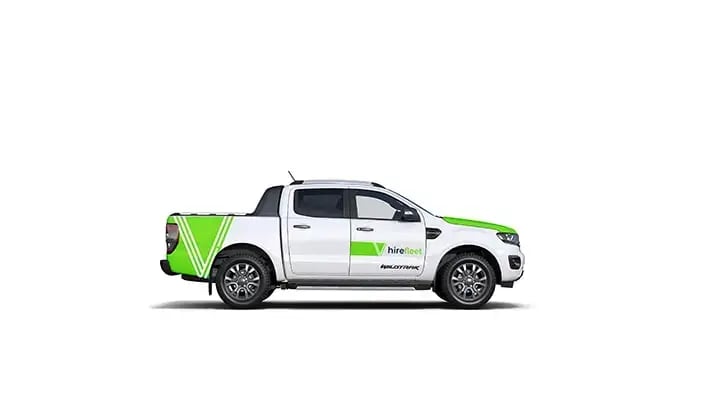
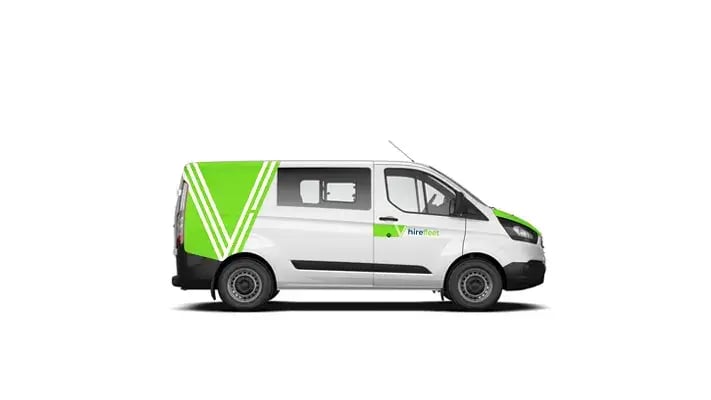
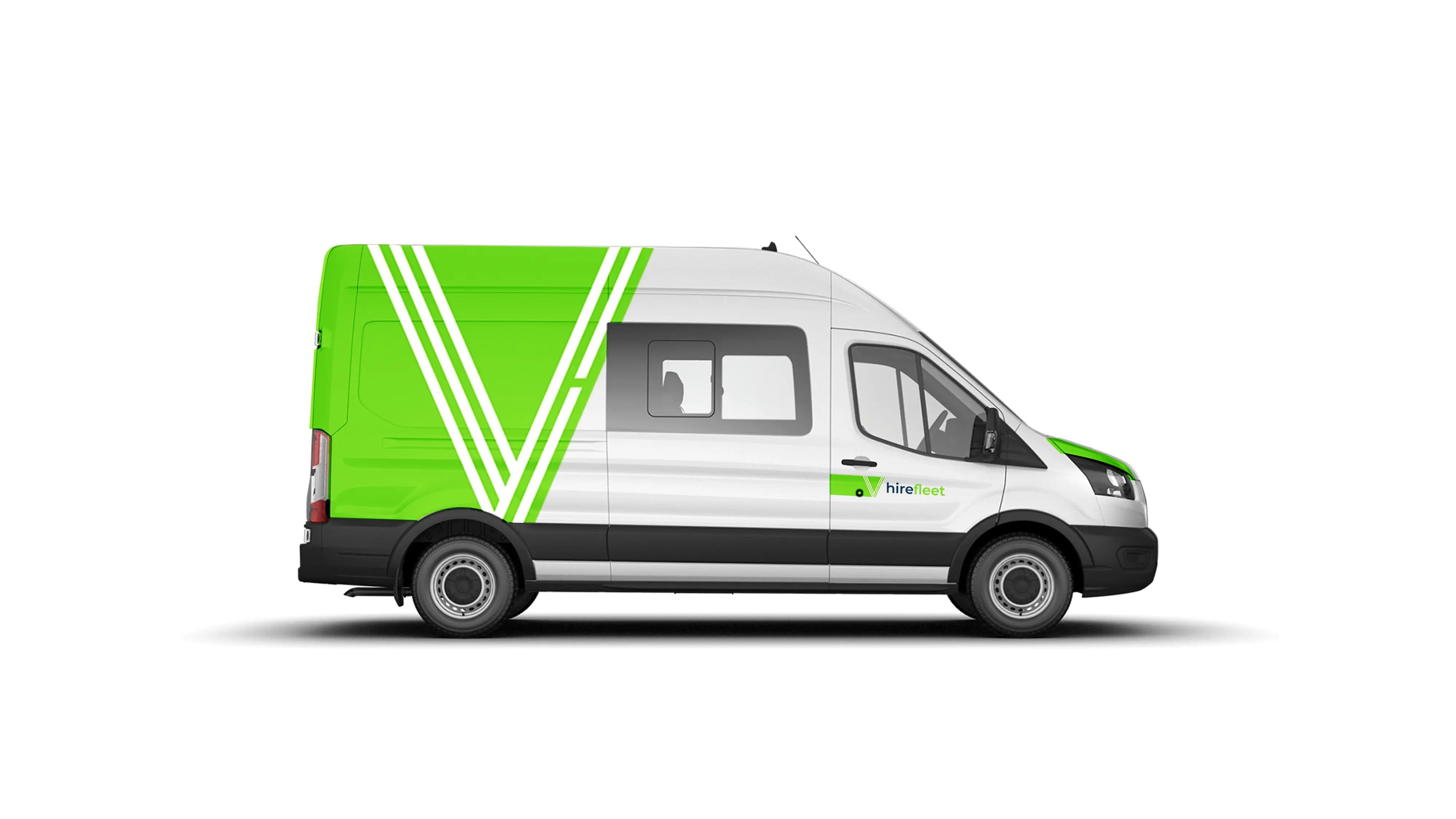
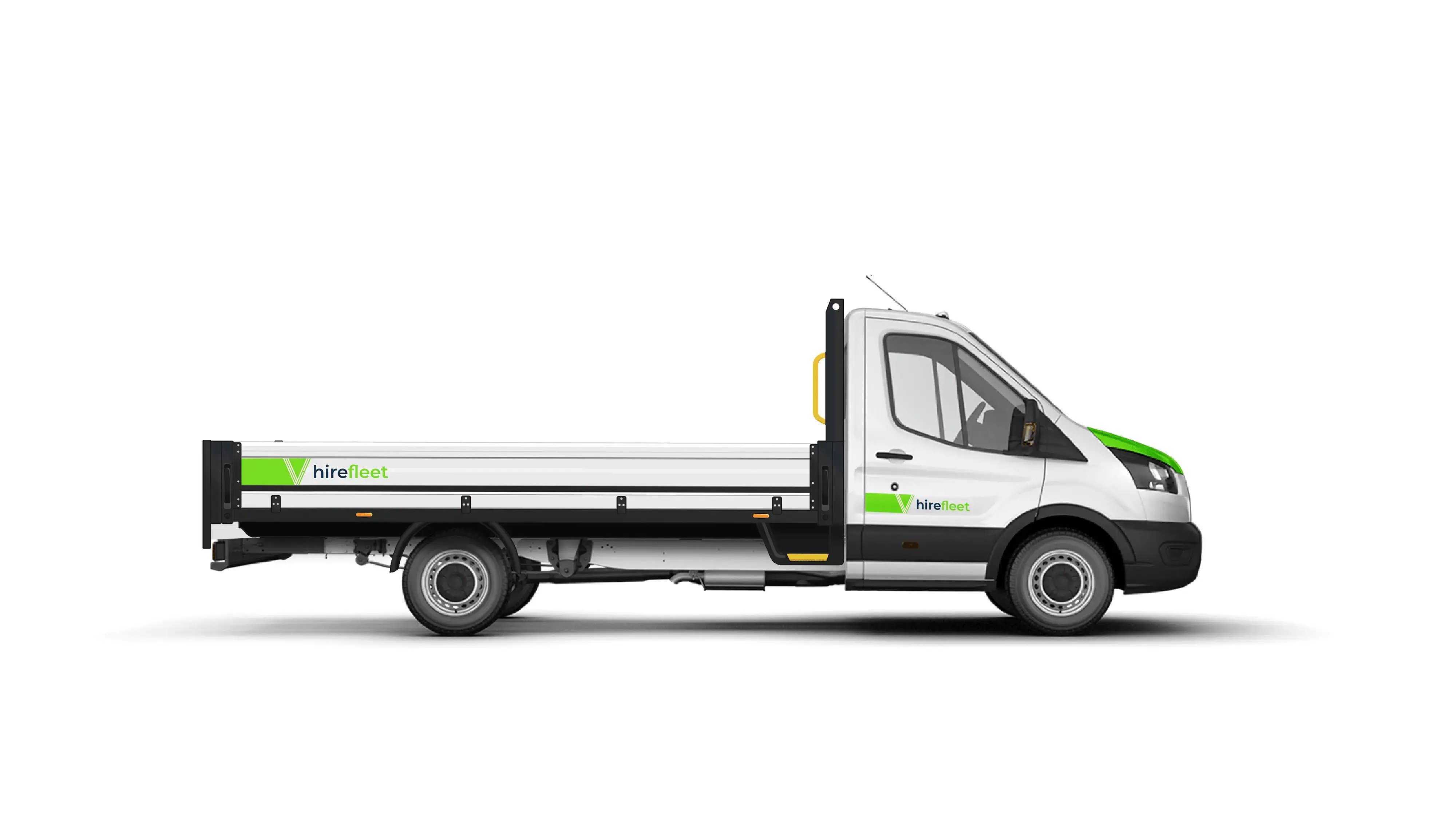
Selecting the correct type of van for waste removal is crucial to ensuring efficiency and compliance. Some key options include:
Always check the payload capacity and volume of the van to avoid overloading and potential fines.
Proper waste disposal is essential to prevent illegal dumping and environmental harm. When using your self drive van rental, ensure that you:
If you’re transporting waste on behalf of a business, you may require a Waste Carrier Licence from the Environment Agency. This applies if you are:
For personal waste removal, a licence is typically not needed, but it’s always best to check with the relevant authorities.
Many local council-run waste and recycling centres require a permit for commercial vehicles, including self drive van rentals. To avoid issues:
Efficient loading will make waste removal safer and more straightforward. Key tips include:
Recycling as much waste as possible helps reduce landfill usage and benefits the environment. Consider the following:
Transporting waste safely is essential for both legal compliance and road safety. Key considerations include:
Hiring a self-drive van rental for waste removal can be affordable if planned correctly. To save money:
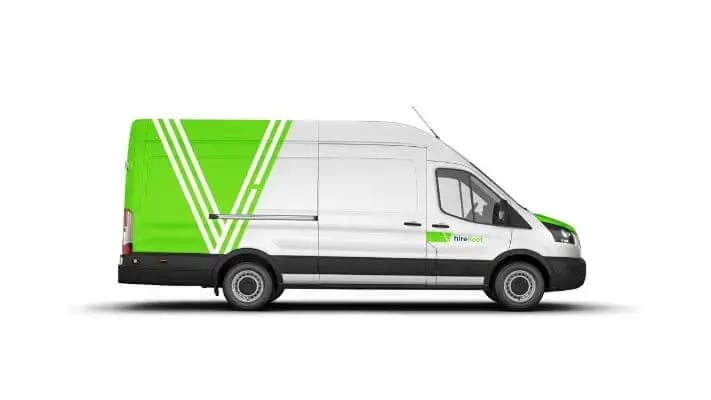
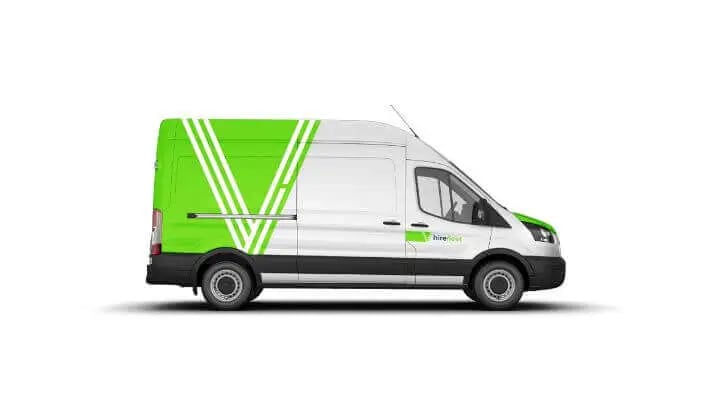
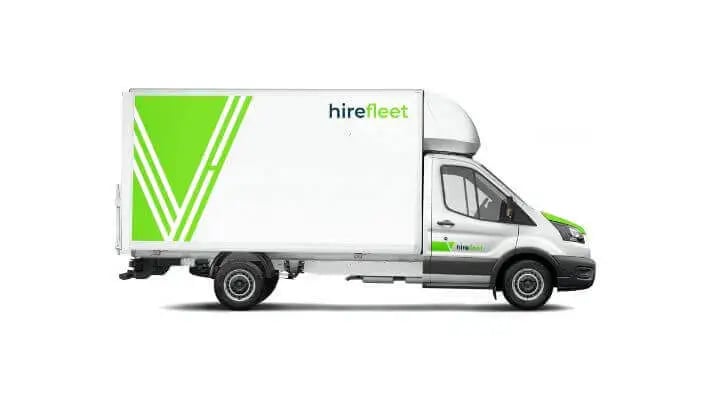
hirefleet’s Luton van hire offers a spacious cargo area, ideal for transporting bulky items like furniture or appliances to recycling centres, with optional tail lifts for easy loading.
Obtain a waste carrier licence from the Environment Agency if carrying commercial waste, and hirefleet ensures vans meet legal standards, providing guidance on proper documentation like waste transfer notes.
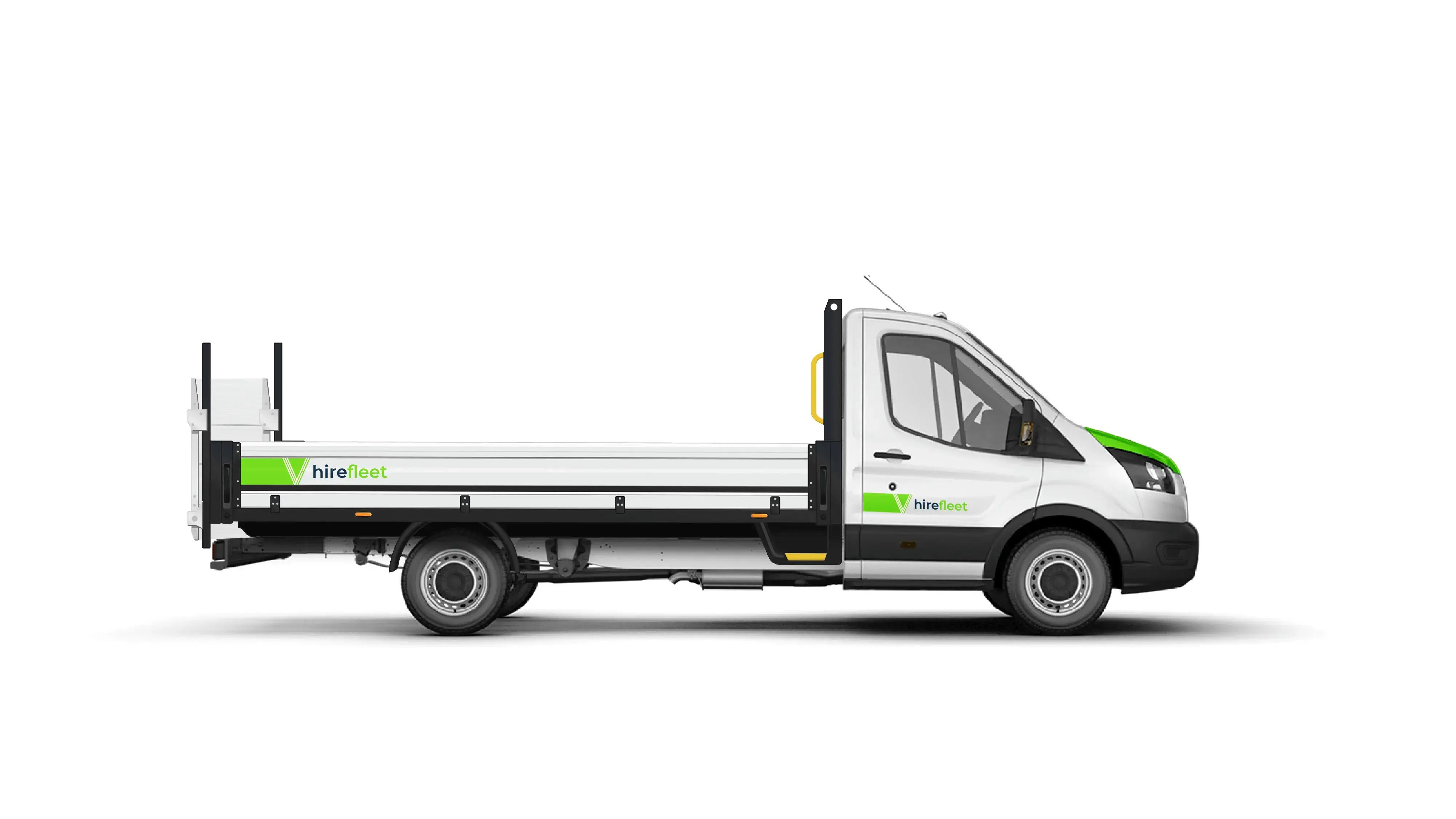
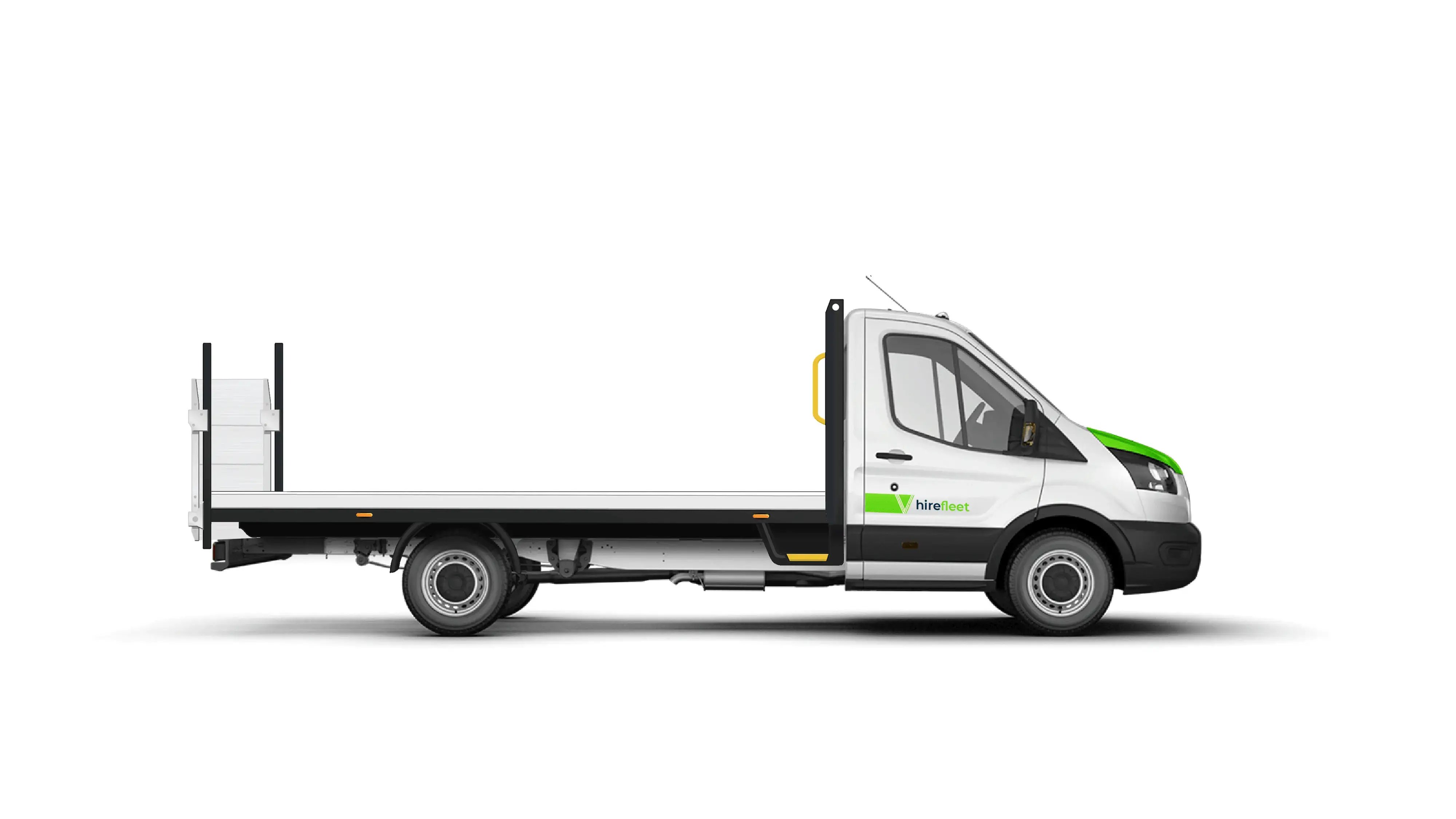
hirefleet’s dropside van hire provides open sides for quick loading and unloading, perfect for efficiently delivering household or garden waste to recycling centres.
Sort waste into recyclable and non-recyclable categories before loading, using hirefleet’s optional straps to secure items, and distribute weight evenly to maximise space and reduce trips.
Self-drive van hire from hirefleet is often more cost-effective than man-and-van services, as you avoid labour fees and control the process, especially for small to medium waste loads.
hirefleet
hirefleet’s commercial van hire for window cleaners is the perfect solution for window cleaners needing reliable, budget-friendly vehicles to transport ladders, water-fed poles, and purification systems. Our diverse fleet, from small vans for solo operators to XLWB and Luton vans with tail lifts for large-scale jobs, ensures you have the right vehicle for any task. With flexible hire terms, transparent pricing and extras like ratchet straps and roadside assistance, we make moving gear safe and cost-effective.
Revamp your kitchen on a budget with a DIY makeover! This guide covers everything you need to move appliances and units using hirefleet’s self-drive vans. From planning and safety tips to choosing the right van, we explore how to transport heavy items affordably. Discover what we offer at hirefleet, including LWB vans, 4x4 pickups, and more, to suit any project. With practical advice on loading, driving, and unloading, plus cost-saving strategies, you’ll be equipped to tackle your kitchen renovation confidently.
Ready for the perfect road trip 2025? Whether exploring the UK’s stunning routes like the North Coast 500 or venturing to the EU, hirefleet has you covered with people carrier hire. Choose from 6-seater van hire, 7-seater van hire, or 9-seater van hire for your group, and get expert tips on routes, packing, and budgeting. Hire a people carrier today and start planning your perfect adventure!
The UK has numerous fantastic cycle routes suitable for a great day out, in today’s post we have crafted the ultimate cycle route planner UK that breaks down the very best cycling routes UK including long distance cycle routes UK! These UK cycle routes cater to various skill levels and showcase the country's diverse landscapes and attractions. Here are some of the best cycle routes UK you can discover with a self drive van hire for a memorable day out with friends and family!